Renewable Energy Reference — Poland
Photovoltaic Systems & Solar Installations
Detailed information on PV panel efficiency ratings, inverter types, grid connection requirements, and rooftop installation procedures in Poland — based on current technical standards.
Browse Articles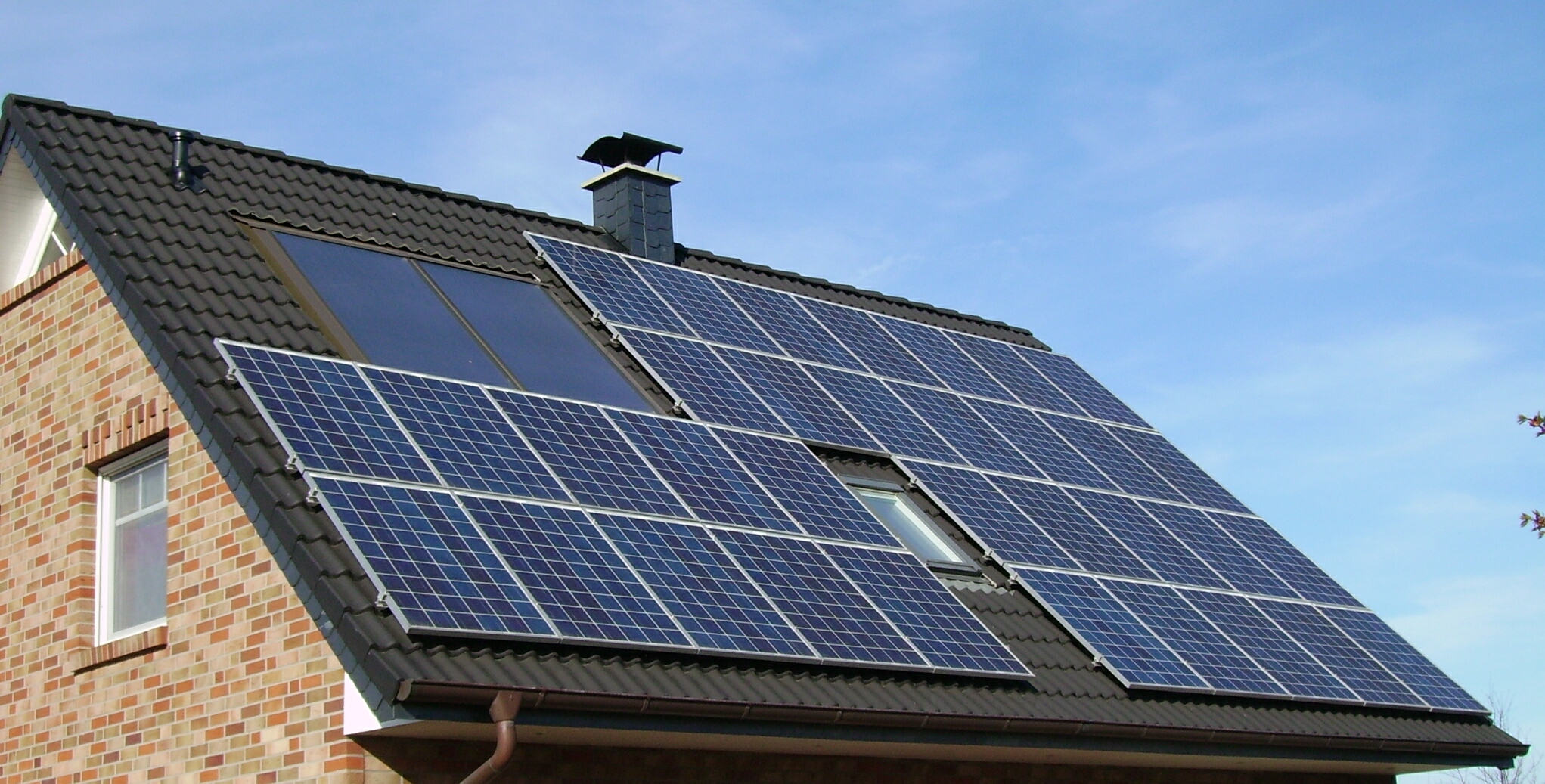
Technical Articles
In-depth overviews of photovoltaic technology and installation practice in Poland.

Photovoltaic Panel Efficiency Ratings Explained
How monocrystalline, polycrystalline, and thin-film panels compare in real-world performance, temperature coefficients, and degradation rates.
Read article →
Solar Inverter Types: String, Central, and Microinverters
A technical comparison of string inverters, central inverters, and microinverters — covering efficiency curves, installation cost, and failure modes.
Read article →
Rooftop Solar Installation Procedures in Poland
Step-by-step overview of planning permits, grid connection applications under Polish energy law, structural roof assessment, and commissioning requirements.
Read article →
Solar Resource in Poland
Understanding Poland's Solar Irradiance
Poland receives between 950 and 1,200 kWh/m² of global horizontal irradiance annually. The southern regions — Lesser Poland (Małopolska) and Subcarpathia (Podkarpacie) — consistently record the highest yields, while the northeast sees slightly lower totals due to cloud cover patterns.
For system designers, this means a 10 kWp rooftop installation in Kraków can be expected to produce roughly 10,000–11,500 kWh per year under standard conditions, assuming optimal south-facing tilt between 30° and 35°.
- Peak sun hours average 3.8–4.2 per day across most of Poland
- Southern regions outperform the national average by 10–15%
- Winter production drops to 20–30% of summer output
- Temperature corrections of −0.4%/°C apply to silicon panels
Grid Connection Requirements
Connecting to the Polish Distribution Grid
Residential and small commercial PV installations in Poland connect to the distribution network under the supervision of the local Distribution System Operator (DSO). Systems up to 50 kW are classified as micro-installations and benefit from a simplified connection process under the Energy Law of 10 April 1997 (as amended in 2023).
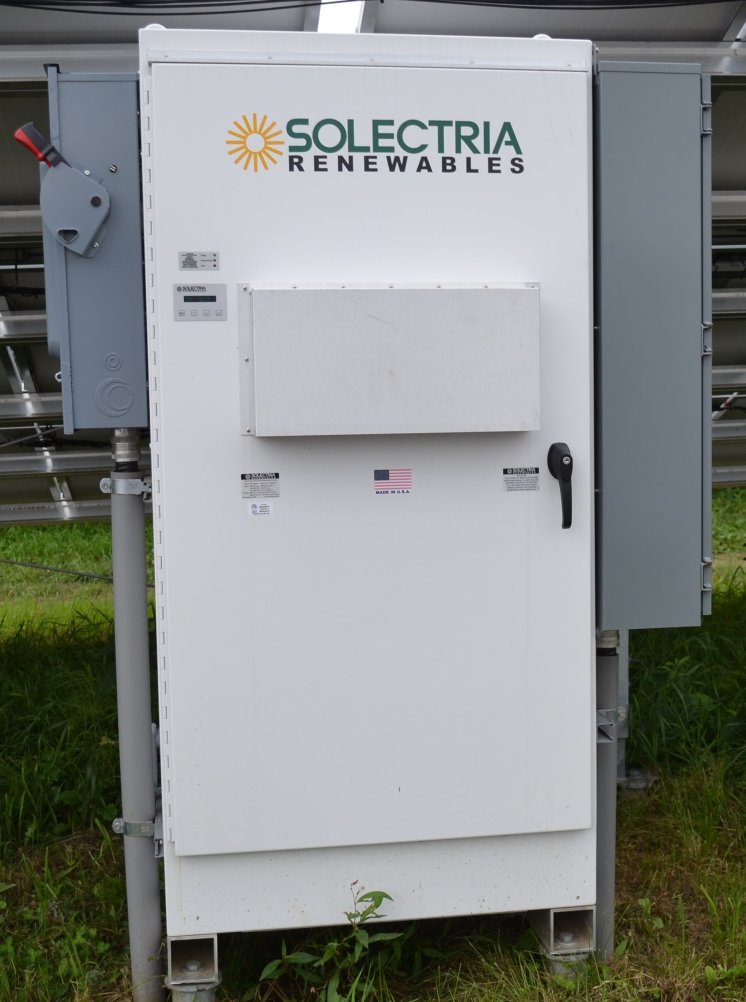
The DSO issues a connection agreement within 30 days for micro-installations. Grid protection relays, anti-islanding mechanisms, and power factor settings must comply with the EN 50549-1 standard.
- Micro-installation threshold: up to 50 kW peak power
- Application submission through the DSO's online portal
- Bidirectional meter required for net-billing arrangements
- EN 50549-1 compliance mandatory for inverter protection settings
Contact
Submit an enquiry and we will respond within 2 business days.
BrightHarbor is an informational reference on photovoltaic systems and solar energy in Poland. For editorial questions, corrections, or general correspondence, use the form or the details below.